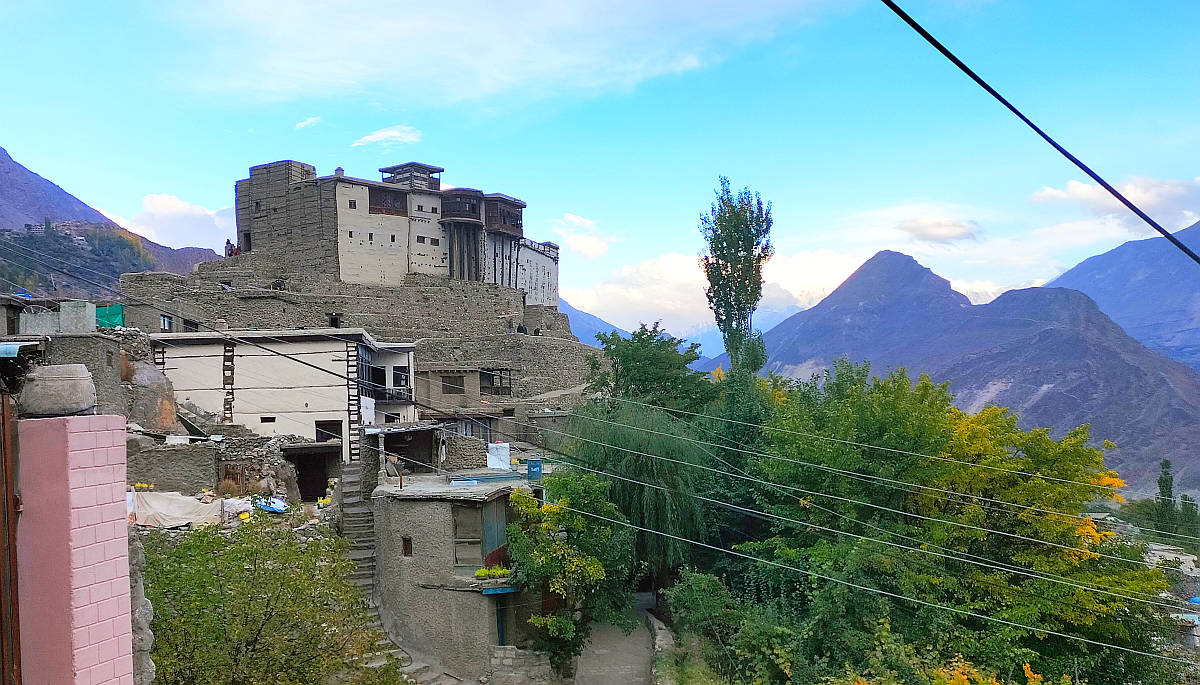
Hunza Valley – Jewel of the Karakoram
Hunza Valley is one of the most spectacular mountain destinations in Pakistan, located in the Gilgit-Baltistan region along the legendary Karakoram Highway. Surrounded by snow-covered peaks rising above 7,000 meters, emerald rivers, glaciers, fruit orchards, and centuries-old villages, Hunza offers visitors an unforgettable combination of natural beauty, rich culture, and history.
The valley stretches along the Hunza River and is home to several picturesque villages including Karimabad, Altit, Gulmit, Passu, Hussaini, and Gojal. The region is famous for its warm hospitality, delicious apricots and cherries, traditional Wakhi and Burusho cultures, and breathtaking views of Rakaposhi, Ultar Sar, Ladyfinger Peak, Passu Cones, and many other magnificent mountains.
Whether you are looking for a relaxing holiday, photography, trekking, mountain climbing, cultural exploration, or simply escaping busy city life, Hunza Valley offers experiences that few destinations in the world can match.
History of Hunza Valley
Hunza has been inhabited for thousands of years and historically served as an important stop along the ancient Silk Road connecting Central Asia with South Asia and China. Traders carrying silk, spices, precious stones, and other valuable goods passed through these valleys for centuries.
The valley was once an independent princely state ruled by the Mirs of Hunza. Due to its strategic position overlooking mountain passes leading into China, Hunza enjoyed considerable influence despite its remote location. Local rulers maintained strong fortifications to defend their territory and control trade routes.
During the nineteenth century, the region became strategically important during the “Great Game” between the British Empire and Russia. In 1891, British forces entered Hunza and incorporated it into the Gilgit Agency while allowing the Mir to continue ruling under British supervision.
Following the independence of Pakistan in 1947, Hunza became part of Gilgit-Baltistan. The princely state officially ended in 1974 when administrative reforms integrated the region fully into Pakistan.
The opening of the Karakoram Highway in the late 1970s transformed tourism in Hunza. What was once accessible only by difficult mountain trails became one of Pakistan’s premier tourist destinations, attracting visitors from around the world.
Sights to See in Hunza Valley
Baltit Fort
Standing proudly above Karimabad, Baltit Fort is over 700 years old and represents one of Pakistan’s finest examples of mountain architecture. Carefully restored, the fort now serves as a museum showcasing the history of the former rulers of Hunza.
Altit Fort
Even older than Baltit Fort, Altit Fort is believed to be more than 900 years old. Beautifully restored, visitors can explore its ancient wooden architecture while enjoying panoramic views of the valley.
Karimabad
The capital of Upper Hunza, Karimabad is known for its charming streets, traditional houses, handicraft shops, cafés, hotels, and magnificent mountain scenery.
Attabad Lake
Created by a massive landslide in 2010, Attabad Lake has become one of Pakistan’s most photographed attractions. Its crystal-clear turquoise water is perfect for boating, kayaking, and photography.
Passu Cones
The spectacular cathedral-shaped Passu Peaks are among the most recognizable mountains in Pakistan and are considered one of the finest photographic locations along the Karakoram Highway.
Hussaini Suspension Bridge
Adventure lovers enjoy crossing this famous suspension bridge spanning the Hunza River with dramatic mountain scenery surrounding it.
Borith Lake
A peaceful alpine lake near Gulmit where visitors can enjoy bird watching, hiking, and peaceful walks.
Khunjerab National Park
Located near the Pakistan-China border, the park is home to ibex, Marco Polo sheep, snow leopards, Himalayan wolves, and many rare mountain birds.
Khunjerab Pass
At nearly 4,700 meters above sea level, Khunjerab Pass is the highest paved international border crossing in the world and offers breathtaking views of the surrounding mountains.
Eagle’s Nest (Duikar)
One of the best viewpoints in northern Pakistan, Eagle’s Nest offers spectacular sunrise and sunset views over Rakaposhi, Ultar Sar, Golden Peak, and Ladyfinger Peak.
How to Plan Your Tour from Islamabad
Option 1 – By Air
The fastest way is to fly from Islamabad to Gilgit. The scenic flight takes approximately one hour and offers incredible aerial views of Nanga Parbat and the Karakoram Mountains. From Gilgit Airport, Hunza Valley is approximately two hours by road.
Option 2 – By Road
Most travelers prefer driving along the famous Karakoram Highway. The journey from Islamabad to Hunza takes approximately 12 to 15 hours depending on weather and road conditions.
Suggested 6-Day Itinerary
Day 1: Islamabad to Chilas
Day 2: Chilas to Karimabad via Rakaposhi viewpoint
Day 3: Baltit Fort, Altit Fort, Karimabad Bazaar
Day 4: Attabad Lake, Passu, Hussaini Bridge
Day 5: Khunjerab Pass excursion
Day 6: Return journey to Islamabad
Best Time to Visit
- April-May: Cherry Blossom Season
- June-August: Pleasant summer weather
- September-October: Autumn colors
- November-March: Snow-covered landscapes (road conditions may vary)
Major Hotels in Hunza Valley
- Serena Hunza
- Eagle’s Nest Hotel
- Luxus Hunza
- Hard Rock Hunza
- Hunza Elites Hotel
- Tourist Cottage Karimabad
- Old Hunza Inn
- Mulberry Hotel
- Hidden Paradise Hunza
- Passu Tourist Lodge
- Gulmit Continental Hotel
- Famree Resort Hunza
Frequently Asked Questions
Is Hunza Valley safe for tourists?
Yes. Hunza is considered one of the safest tourist destinations in Pakistan with friendly local communities and excellent hospitality.
How many days should I spend in Hunza?
At least five to seven days are recommended to fully explore the valley and nearby attractions.
Do I need a 4×4 vehicle?
No. Most destinations are accessible by regular vehicles via the Karakoram Highway, although some side valleys may require a jeep.
Can foreign tourists visit Hunza?
Yes. Foreign visitors can travel to Hunza after obtaining the appropriate Pakistani visa.
What clothes should I pack?
Layered clothing is recommended because temperatures vary significantly between day and night throughout the year.
Is internet available?
Mobile coverage and internet services are available in most towns, although speeds may vary.