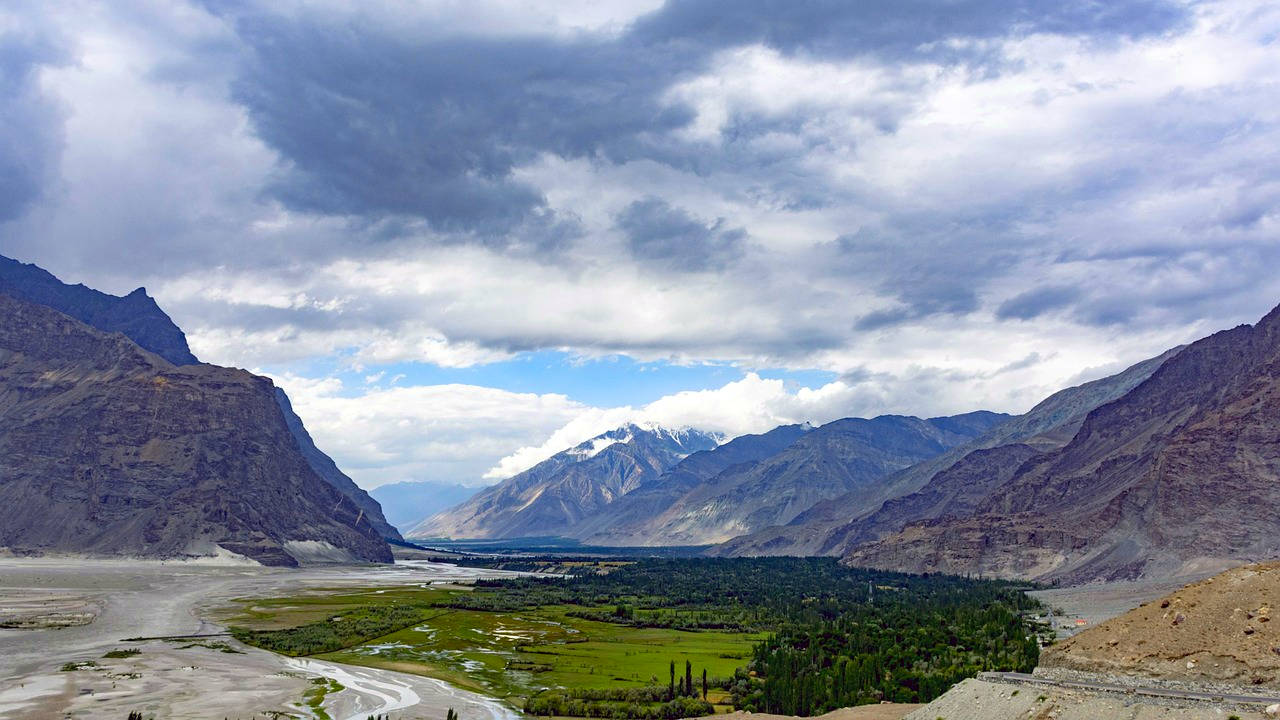
Shigar Valley – Gateway to K2 and the Baltoro Glacier
Shigar Valley is one of the most spectacular valleys in Gilgit-Baltistan and serves as the gateway to the legendary Baltoro Glacier, Concordia and K2, the world’s second-highest mountain. Located about 30 kilometres northeast of Skardu, the valley follows the Shigar River deep into the Karakoram Mountains and is surrounded by snow-covered peaks, glaciers, fertile fields and centuries-old villages.
The valley is famous for its rich Balti culture, historic forts, traditional architecture, fruit orchards and world-class trekking routes. Every summer hundreds of mountaineering expeditions begin their journey through Shigar Valley towards some of the highest mountains on Earth, including K2, Broad Peak, Gasherbrum I, Gasherbrum II and Masherbrum.
For visitors who are not mountaineers, Shigar offers peaceful villages, beautiful landscapes, historical monuments and excellent opportunities for photography, hiking and cultural exploration.
History of Shigar Valley
Shigar has been inhabited for many centuries and was once an independent kingdom ruled by the Amacha Dynasty. Because of its strategic position on trade routes connecting Baltistan with Central Asia, Ladakh and Kashmir, Shigar developed into an important commercial and cultural centre.
The rulers of Shigar built impressive forts, mosques and irrigation systems that still survive today. During the nineteenth century, the valley became part of the Dogra State of Jammu and Kashmir before joining Pakistan following the events of 1947-48.
Today Shigar District remains one of the most important tourism destinations in Baltistan, welcoming visitors interested in history, mountain scenery and adventure tourism.
Places to Visit in Shigar Valley
Shigar Fort
Built over 400 years ago by the Amacha rulers, Shigar Fort is one of Pakistan’s finest examples of Balti architecture. Beautifully restored by the Aga Khan Trust for Culture, the fort now functions as a museum and heritage hotel while preserving its historical character.
Amburiq Mosque
Dating from the fourteenth century, Amburiq Mosque is one of Baltistan’s oldest surviving mosques. Its unique architecture combines Tibetan, Kashmiri and Persian influences.
Sarfaranga Cold Desert
Just outside Shigar lies the Sarfaranga Cold Desert, one of the world’s highest cold deserts. Golden sand dunes surrounded by snow-covered mountains create a remarkable landscape unlike anywhere else in Pakistan.
Blind Lake (Jarba Tso)
This peaceful natural lake near Shigar is an excellent location for boating, bird watching, camping and photography.
Hashupi Garden
A beautiful picnic area with natural springs, orchards and shaded walking paths, popular with both local residents and visitors.
Shigar River
The Shigar River flows through the valley, irrigating fertile farmland and supporting traditional agriculture. It also offers excellent opportunities for landscape photography.
Basho Valley
A beautiful side valley famous for pine forests, waterfalls, alpine meadows and camping opportunities. Basho is becoming one of Baltistan’s most popular eco-tourism destinations.
Baltoro Glacier
Although located deep within the Karakoram, expeditions to the Baltoro Glacier begin from Shigar Valley. The glacier is one of the world’s longest outside the polar regions.
Concordia
Often called the “Throne Room of the Mountain Gods,” Concordia is reached through Shigar Valley and offers views of K2, Broad Peak, Gasherbrum IV and several other giant peaks.
K2 Trek
The world-famous K2 Base Camp Trek begins in Askole Village, the last permanent settlement in Shigar Valley before entering the high Karakoram.
Adventure Activities
- Trekking
- Mountaineering
- Camping
- Jeep Safaris
- Photography
- Rock Climbing
- Village Walks
- Bird Watching
- Cultural Tours
- Fishing
How to Plan Your Tour from Islamabad
By Air
Fly from Islamabad to Skardu (weather permitting). Shigar Valley is approximately a 45-minute drive from Skardu Airport.
By Road
Drive from Islamabad to Skardu via the Karakoram Highway and Skardu Road. Continue northeast to Shigar Valley.
Suggested 6-Day Tour
Day 1: Islamabad to Skardu
Day 2: Visit Shigar Fort and Amburiq Mosque
Day 3: Explore Sarfaranga Cold Desert and Blind Lake
Day 4: Basho Valley excursion
Day 5: Visit Askole or enjoy village walks and cultural experiences
Day 6: Return to Islamabad
Best Time to Visit
- April-May: Spring blossoms and pleasant weather
- June-September: Ideal season for trekking and sightseeing
- October: Beautiful autumn colours
- November-March: Snow-covered landscapes with limited access to higher areas
Major Hotels in Shigar Valley
- Serena Shigar Fort Residence
- Shigar View Hotel
- Mountain Lodge Shigar
- River View Guest House
- Baltistan Continental Camp
- Local Family Guest Houses
- Camping Sites near Basho Valley
Local Culture
The people of Shigar belong mainly to the Balti ethnic group and are known for their hospitality, traditional music, handicrafts and unique cuisine. Visitors can enjoy local dishes including Balay, Prapu, Marzan, Buckwheat Bread, Chapshuro and fresh apricots, cherries and walnuts grown throughout the valley.
Frequently Asked Questions
What is Shigar Valley famous for?
Shigar Valley is famous for Shigar Fort, the Baltoro Glacier, K2 expeditions, Sarfaranga Cold Desert and traditional Balti culture.
How far is Shigar from Skardu?
Shigar is approximately 30 kilometres from Skardu and can be reached in about 45 minutes by road.
Can ordinary tourists visit Shigar?
Yes. Shigar is an excellent destination for families, photographers, history enthusiasts and nature lovers.
Can I trek to K2 from Shigar?
Yes. Expeditions to K2 begin from Askole Village, located in the upper Shigar Valley.
When is the best time to visit?
The best season is from May through September, when weather conditions are ideal for sightseeing and trekking.
Is Shigar Valley safe?
Yes. Shigar is regarded as one of the safest tourism destinations in Gilgit-Baltistan.